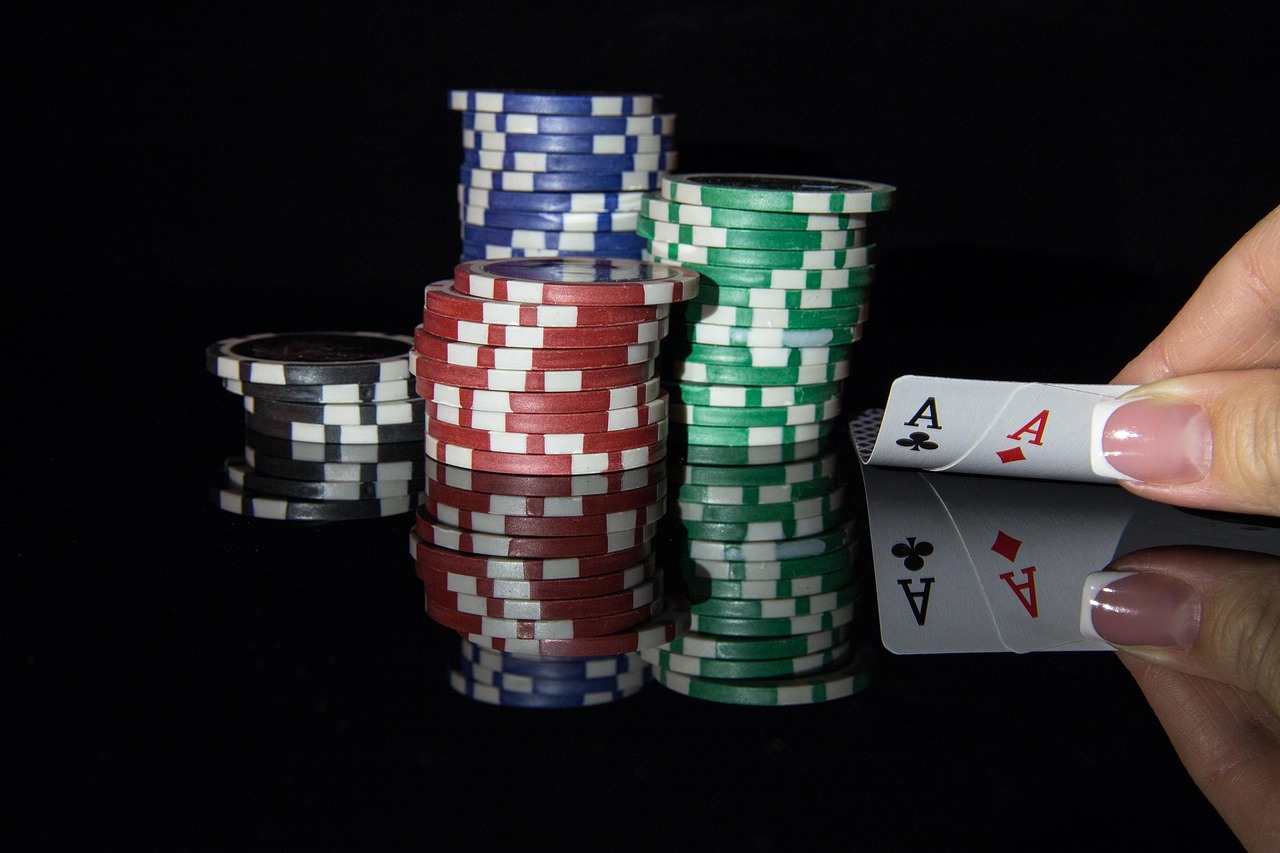
The first time I watched a high-stakes poker stream, I assumed the pros were just lucky. Then I noticed something stranger: the same handful of names kept reaching final tables, month after month. Luck doesn't behave like that. What separates a player who treats iGaming as a slow bleed from one who stays afloat is rarely secret knowledge. It's a working understanding of math, discipline and the specific mechanics of each game. If you've ever wondered why your slot balance evaporates while your friend swears blackjack is boring, this is the map you've been missing.
House Edge Is the Only Number That Really Matters
Every casino product in existence runs on a built-in mathematical advantage. That margin is called the house edge, and it quietly decides how long your money lasts. Slots sit around 2% to 6% depending on the title. European roulette is roughly 2.7%. Blackjack, played with near-perfect basic strategy, drops to about 0.5%. Poker is the outlier: you're not playing the house at all, you're playing other people, and the casino just skims a rake.
Here's the practical part. A 5% edge doesn't mean you lose 5% per spin. It means that, over thousands of spins, the machine keeps roughly 5 cents out of every dollar wagered. The swing in the short term is enormous. This is why session bankroll matters more than game choice for casual players, and why grinders obsess over edges measured in tenths of a percent. If you remember one sentence from this article, make it this one: you don't beat the house in a night, you try to survive long enough for variance to hand you an upswing. If this is new to you, เว็บสล็อต is a sensible next read.
Slots: Volatility Beats Theme Every Time
Slot players talk about theme and graphics. Experienced players talk about RTP and volatility, and the gap between those conversations explains a lot of busted balances.
- RTP (Return to Player): expressed as a percentage, usually somewhere between 94% and 97%. A 96% RTP game returns 96 euros for every 100 wagered over a very long run.
- Low volatility: frequent small wins. Your balance moves gently. Good for long, cheap sessions.
- High volatility: long dead spins, then a monster hit. Brutal if your bankroll is thin.
- Megaways and cluster-pay slots: often high volatility with thousands of ways to win, but the maths is ferocious.
A useful habit: before spinning real money on a new slot, run the demo version for 100 spins and watch how often you go 30 spins without a single return. If that test makes you wince, pick a lower-volatility title or size your bets down. Bonus buy features deserve special suspicion. They usually cost 50x to 100x your stake for one spin of a bonus round with highly variable results. That's a lottery ticket dressed as a shortcut.
Poker: Where Skill Actually Compounds
Poker is the one game on this list where a genuinely committed player can build an edge over time, because you're competing against humans who make emotional decisions. That doesn't make it easy. The key concepts matter more than memorizing hand charts:
- Position: acting last gives you information before you commit chips. The button is the most profitable seat at the table.
- Pot odds: compare the cost of a call to the size of the pot. A 20% call on a flush draw with 36% equity is a long-term winner.
- Range thinking: stop guessing exact hands. Ask what a range of hands would do in your opponent's spot.
- Bankroll management: cash game players commonly keep 20 to 30 buy-ins for their stake. Tournaments demand 50 to 100 buy-ins because variance is savage.
- Tilt control: the single biggest leak among losing players. If you're angry, log off. The table will still be there tomorrow.
One more honest note: online poker at low stakes is far tougher than it was fifteen years ago. Solvers and tracking software raised the floor. You don't need to be a genius, but you do need to study, review hand histories and accept that improvement takes months, not weekends.
Sports Betting: Shop the Line, Don't Fall for the Acca
Sports betting is where smart punters separate themselves from fans. The classic trap is the accumulator: five legs at even money sounds like a lottery payout, and that's exactly what it is, because margins multiply across every leg. A 5% bookmaker margin per selection compounds into something ugly over a fivefold.
Sharper habits look like this:
- Compare odds across at least three bookmakers before placing. A half-point difference on a football handicap adds up fast.
- Understand implied probability. Odds of 1.50 mean roughly a 67% chance. If your research says the real probability is 75%, you have value.
- Single bets, smaller stakes, longer horizons. Boring works.
- Track every wager in a spreadsheet. Most recreational bettors are stunned by their actual numbers after three months.
Live betting can offer genuine opportunities when a goal or red card forces a bookmaker to reprice quickly, but latency and in-play margins punish sloppy decisions. Have a reason before you click.
The Practical Toolkit for Staying in Control
None of the strategy above matters if you blow your budget in a weekend. The boring infrastructure is what keeps iGaming recreational rather than destructive. Set a monthly deposit limit before you sign up, not after a bad night. Use the responsible gambling tools that licensed operators are legally required to provide: session timers, loss limits, cool-off periods and self-exclusion registers. Take real breaks. Stand up, walk around, drink water. Tired players make the decisions that the house edge was designed to harvest.
Also, verify licenses. A site regulated by a reputable authority is audited on its RNG and its payout percentages, and it must honor dispute processes. Unregulated offshore sites can be fast and cheap right up until you try to withdraw.
The Bottom Line
The phrase "the house always wins" is statistically accurate over millions of hands and completely irrelevant in your personal session. Your real opponent is variance, and your real edge is process. Pick games where the math isn't stacked absurdly against you, learn their mechanics rather than their marketing, size your bets so a cold streak doesn't end your month, and treat every wager as entertainment with a cost. Players who internalize that don't beat the house. They stop losing to themselves, which, if you've ever watched your balance vanish in forty minutes, is an enormous upgrade.